Basalt Stone, Jerusalem Gold Stone, Travertine, and other limestone or sandstone alternatives are extracted as large stone blocks. These blocks are then transported for processing, where they are expertly cut into slabs and tiles. The surfaces are then treated and refined to achieve the required finish depending on the project specifications.
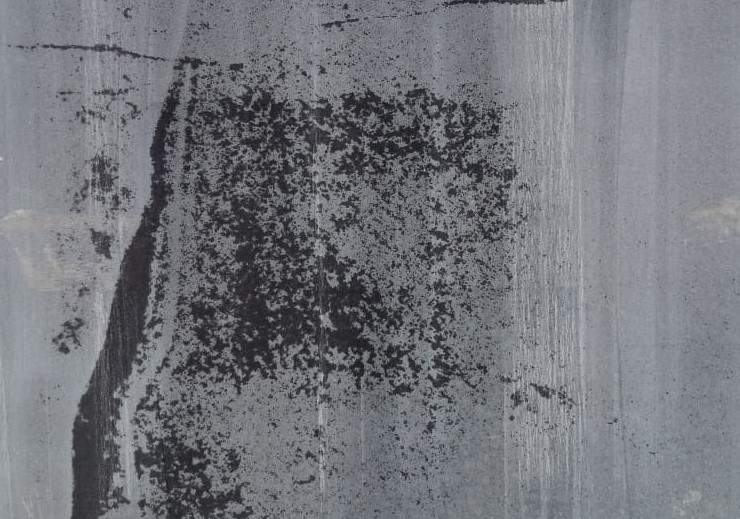
Basalt is a dense, dark-toned volcanic rock created when molten lava cools quickly at or near the surface of the Earth. Because of this rapid cooling process, it develops a fine-grained texture. It is primarily made up of minerals such as plagioclase feldspar and pyroxene, which give the stone its characteristic strength and color. This rock typically forms from lava flows that spread across the surface during volcanic activity. However, it can also develop below the surface in relatively small formations, including dikes and thin sills, where magma solidifies before fully emerging. Basalt is the most widespread rock type on our planet, making up much of the ocean floor and covering vast areas of the Earth’s crust.
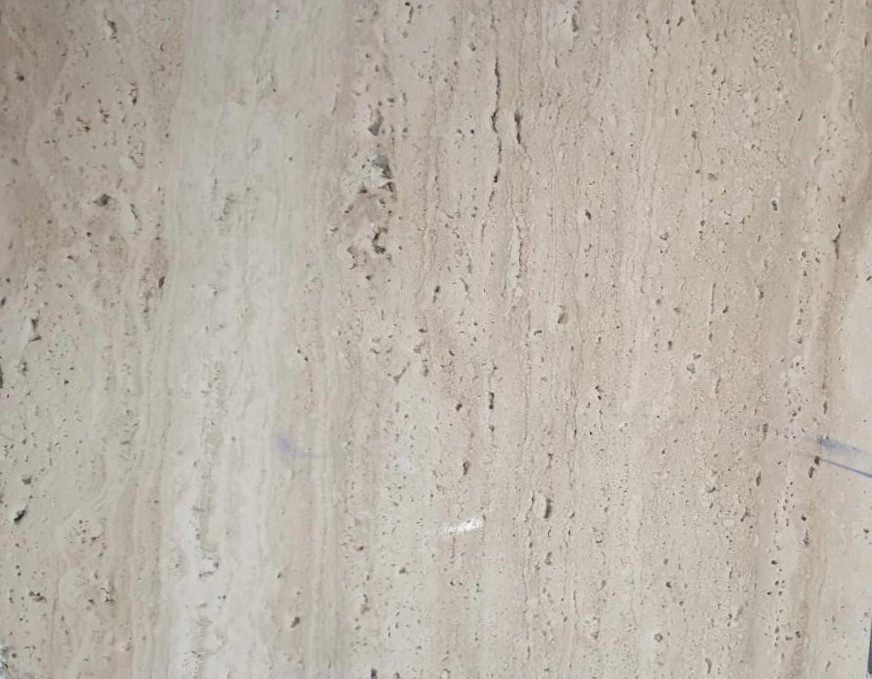
Travertine is a natural sedimentary stone, a form of limestone that forms when calcium carbonate precipitates out of mineral-rich water, especially around hot springs and freshwater sources. Over long periods, these deposits build up into layered rock with characteristic small holes and cavities, giving travertine its unique texture and appearance. It typically appears in light earthy tones such as cream, beige, tan, and sometimes brown or reddish hues, depending on the minerals present.
Travertine is a natural sedimentary stone, a form of limestone that forms when calcium carbonate precipitates out of mineral-rich water, especially around hot springs and freshwater sources. Over long periods, these deposits build up into layered rock with characteristic small holes and cavities, giving travertine its unique texture and appearance. It typically appears in light earthy tones such as cream, beige, tan, and sometimes brown or reddish hues, depending on the minerals present.

Jerusalem Gold Stone is a natural limestone quarried in the region of Jerusalem. It is well known for its warm golden-beige tones and subtle fossil patterns, which give it a distinctive and elegant appearance. The stone has been widely used in historic and modern architecture throughout the area, contributing to the city’s characteristic look. Formed from compacted marine sediments and composed mainly of calcium carbonate, Jerusalem Gold Stone is durable and suitable for both interior and exterior applications.
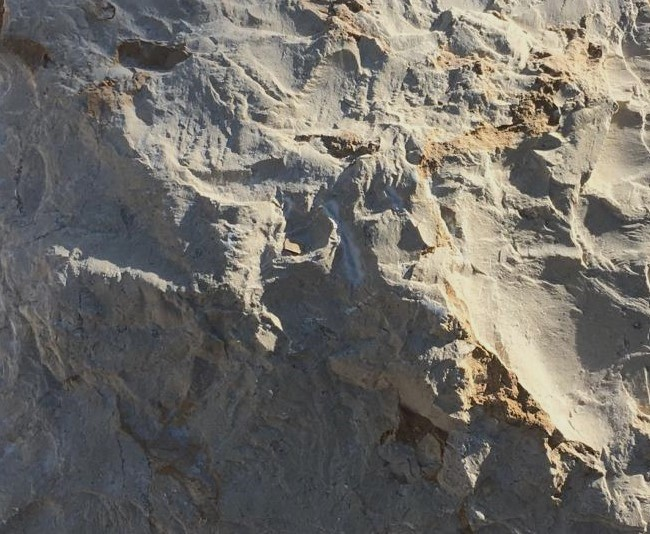
Limestone and sandstone alternatives include a range of natural sedimentary stones that offer similar textures, tones, and performance characteristics. Like traditional limestone and sandstone, these materials are formed over millions of years from compacted mineral and sand deposits, resulting in warm, natural color variations and unique surface patterns. They are commonly available in shades of beige, cream, grey, and soft brown.
Limestone and sandstone alternatives include a range of natural sedimentary stones that offer similar textures, tones, and performance characteristics. Like traditional limestone and sandstone, these materials are formed over millions of years from compacted mineral and sand deposits, resulting in warm, natural color variations and unique surface patterns. They are commonly available in shades of beige, cream, grey, and soft brown.
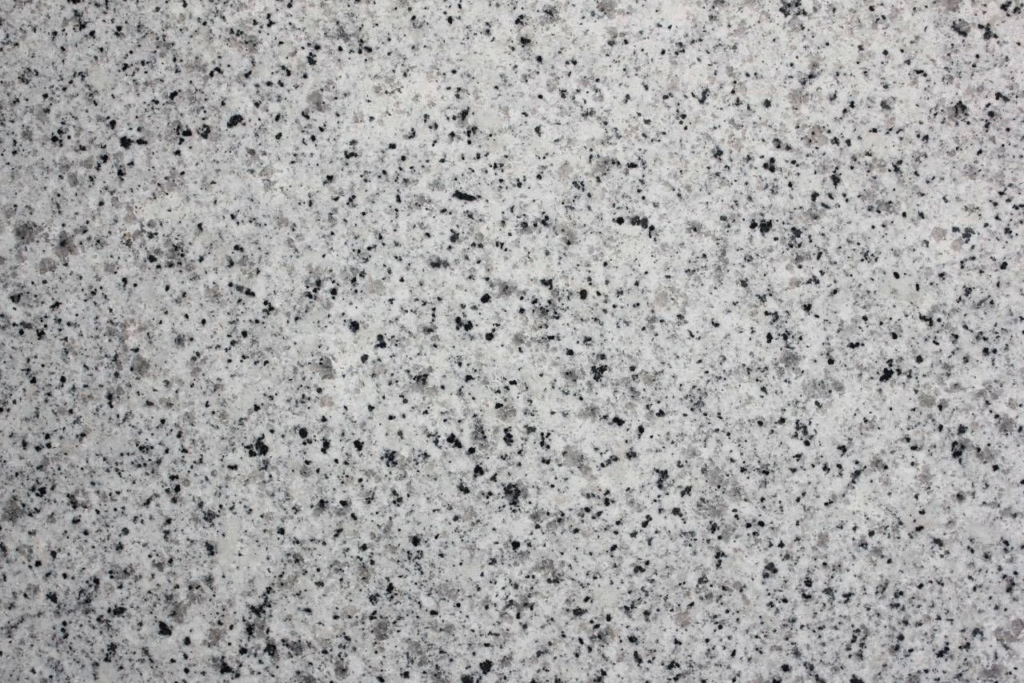
Granite is a hard, coarse-grained igneous rock formed deep beneath the Earth’s surface when molten magma cools slowly over time. This gradual cooling process allows large, visible crystals to develop, giving granite its distinctive speckled appearance and textured finish. It is primarily composed of minerals such as quartz, feldspar, and mica, which contribute to its durability, strength, and wide range of colors. Granite typically forms in large underground bodies known as plutons and is later exposed at the surface through erosion and geological uplift. Renowned for its hardness and resistance to weathering, granite is one of the most durable natural stones, making it highly suitable for construction, flooring, and decorative architectural applications.